
Understanding Dental Cavities and Why They Are Important To Fix
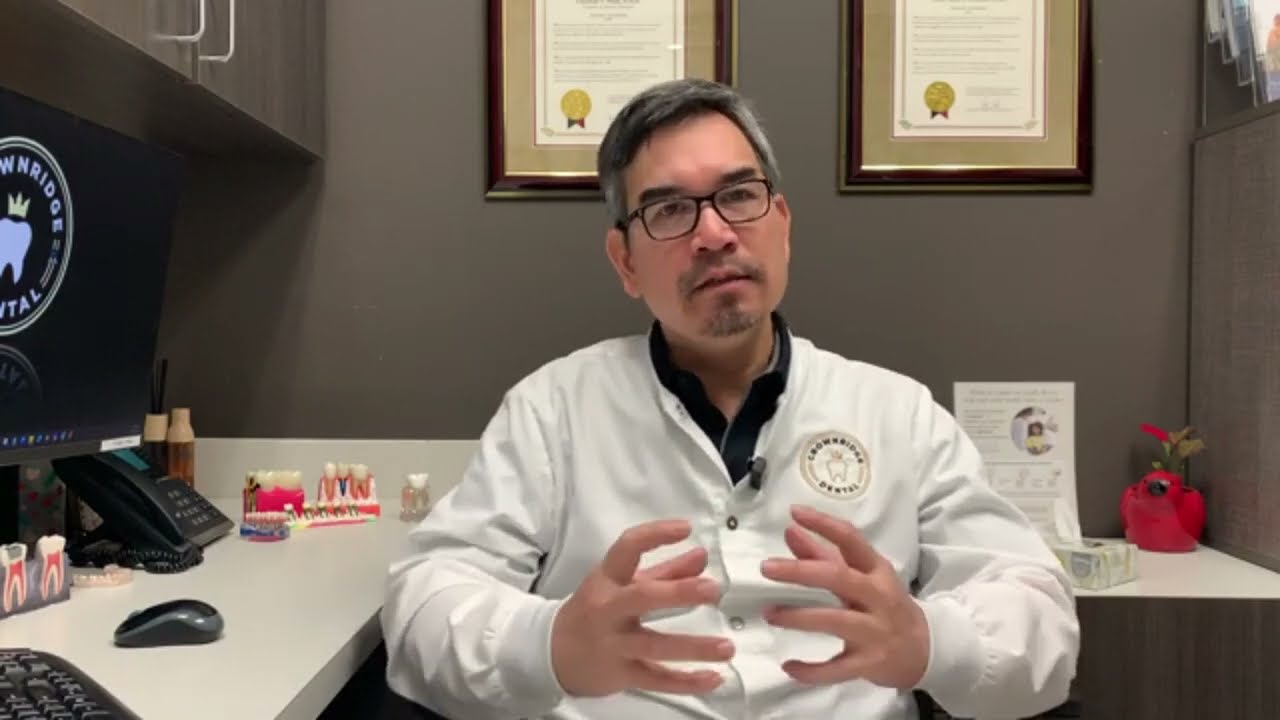
What are dental cavities?
A dental cavity is basically when your tooth structure becomes rotten. A lot of the time, this occurs due to bacteria between your teeth or on the surface if that bacteria is not removed. The bacteria feed on the sugar or carbohydrate food remaining on the teeth, produce acid, and dissolve the tooth structure.
Many cavities appear blackish in color and can become large enough for a piece of the tooth to break off, revealing the black underneath. It's like a hole, hence the term 'cavity'.
How does a dentist check for cavities?
We use x-rays to detect smaller cavities, especially those between the teeth where we cannot see them. Dental x-rays help us identify cavities that aren't visible. If a cavity is large enough, we can perform a visual exam to see if the tooth is broken down and blackish in color.
What are the stages of a cavity?
Cavities start with the demineralization of the tooth structure. The tooth consists of enamel on the crown, with dentin as the substructure. When bacteria produce acid, they dissolve the enamel, making it porous. Once it gets through the enamel and into the dentin, it spreads more quickly because dentin is less mineralized and softer. This is a simple explanation of the stages of a cavity.
Can a cavity spread to other teeth?
Yes, the bacteria causing a cavity on one tooth can also affect adjacent teeth, causing similar issues.
Is it possible for cavities to go away on their own?
Usually, cavities do not resolve on their own. A tooth with lost structure requires intervention, such as drilling out the decayed part and placing a filling. However, if you have an incipient cavity, which is the beginning stage, there is a solution to refill without drilling using a specific material.
How do you stop a cavity from progressing?
After treating the cavity, prevent new ones by flossing, brushing, and removing plaque, sugar, and food that bacteria feed on. This involves daily flossing, brushing, and mouth rinsing at least twice a day to prevent bacteria from producing acid that demineralizes and damages the tooth.
What should I do if I suspect I have a cavity?
If you suspect a cavity, visit a dentist for an exam, possibly with an x-ray to check areas that aren't visible. Just visit the dentist to have them take a look.
Your dental health matters to us, and we’re here to support you every step of the way. If you’re looking for expert dental care near San Antonio, TX, call (210) 981-6018 or email [email protected] to learn more. Ready to get started? Schedule your appointment below.