
Dental Treatment Plans and Pricing FAQs
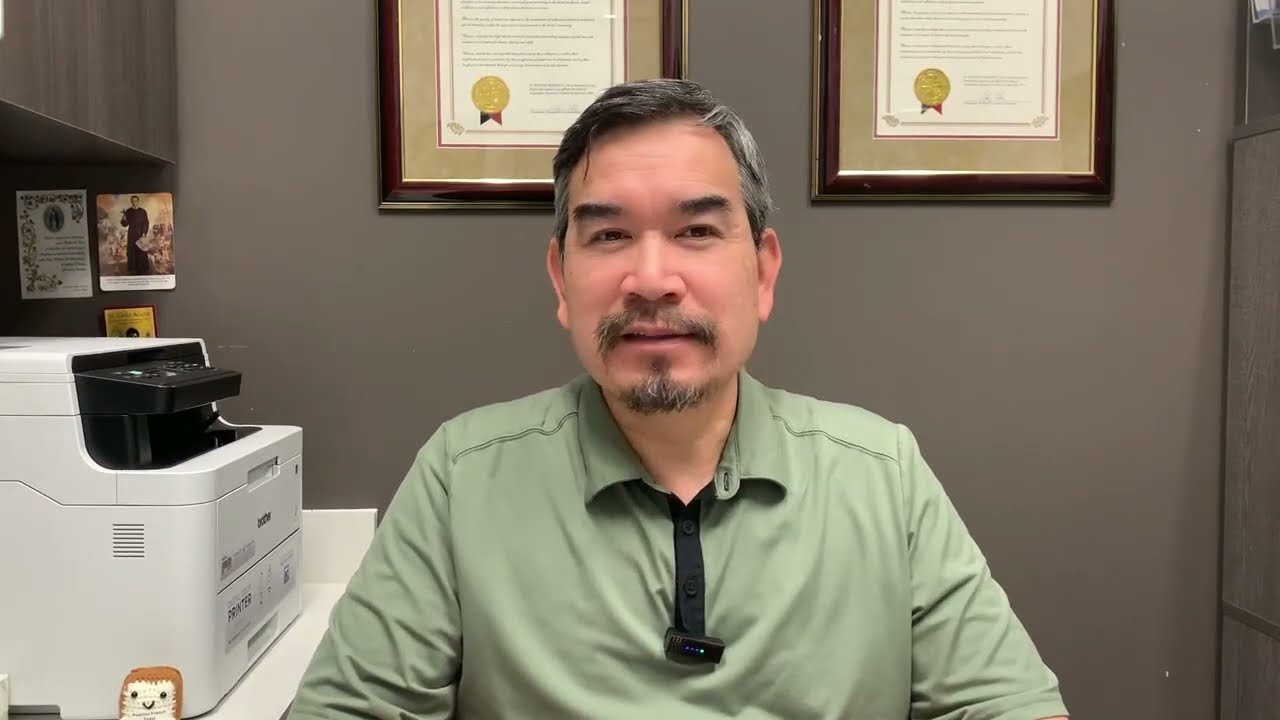
Why might two dentists recommend different treatment plans for the same dental issue?
One of the questions is why two dentists may have different treatment plans for a patient. It depends on the diagnosis that the dentist sees. Everybody has different eyes and they see differently, but they also have different experiences. I've been working in this field for 20 years now. What I see now is way different from what I saw when I first got out of dental school.
My view regarding treatment plans is overall that's why I'm more of a comprehensive, big picture when I do treatment planning. Because I do multiple things from orthodontics to root canal to crown to implant, I have a wider range of services I can give to patients, and I see a bigger picture when I treat patients in full mouth rehab. That's one of the reasons why treatment can vary. Different dentists have different experiences and training, and that's how the treatment can vary.
How can a dentist's philosophy, conservative versus proactive, lead to different recommendations?
Another reason why two dentists may have different treatment plans is their philosophy. One philosophy may be to just watch and wait until something happens before they start treating it.
For me, I'm on the more proactive side, more preventive side where if I see something that may lead to a worse outcome, we want to treat that first. For example, cracked tooth, we call it cracked tooth syndrome. When I see a crack line on teeth that looks significant, I recommend a crown rather than waiting for the patients to come in and be in pain and then react to that. When I see that, I prefer to protect the tooth with a crown rather than have the patient come in with pain and potentially need a root canal or even an extraction because the crack has gone down to the root. I prefer to save the tooth and treat something that can be prevented before worse things happen.
In what ways do technology, imaging tools, or diagnostic methods influence a treatment plan?
Technology helps us see things better. In my office, I use an intraoral camera to do my exams. A lot of times I see a lot more things with this intraoral camera than with my own eye and with my magnifying glasses. I go inside the mouth and look at different angles that I wouldn't be able to see from outside of the mouth.
A lot of times I see things that I wouldn't have been able to see, and I know that a lot of offices out there may not have used that internal camera, and they may miss something that I would have missed too if I didn’t have that camera to see all the way around.
How does a patient's long-term oral health goals affect the treatment plan options a dentist might offer?
When I talk to my patients, I ask them what their long-term goal is for their mouth. Some patients are not going to fix anything until things are broken, but that's more reacting to things. Again, my philosophy is if we see something that needs fixing before things get worse, I prefer to be more proactive and provide a treatment service prior to things getting worse.
For instance, a small cavity should be treated before it becomes bigger and painful, as that's going to need a root canal and more treatment, resulting in more costs for the patient. When I see something early, we can recommend a treatment plan where we can treat the tooth, whether it's a big cavity or a small fracture or crack, to prevent more discomfort, pain, and expenses because more work will be needed.
What advice do you have for patients who receive two different treatment plans and aren't sure which one to choose?
People sometimes go to different offices and look at different treatment plans. I would say that most people like the shorter treatment plan and think it is the best, but that's not necessarily correct. As I mentioned, we use an intraoral camera and a 3D scan to look at everything, and if we see something that will need to be worked on or treated before things get worse, then we want to include that so that we can take care of it.
Some dentists may not use all the technology, and their treatment plan may not see everything, making the treatment very short, which patients tend to prefer because it's less treatment. However, we use a camera, we show the patient what we see, we take pictures, and we explain exactly what they see and why we recommend the treatment. If it includes everything that makes sense to them, then of course we recommend that option.
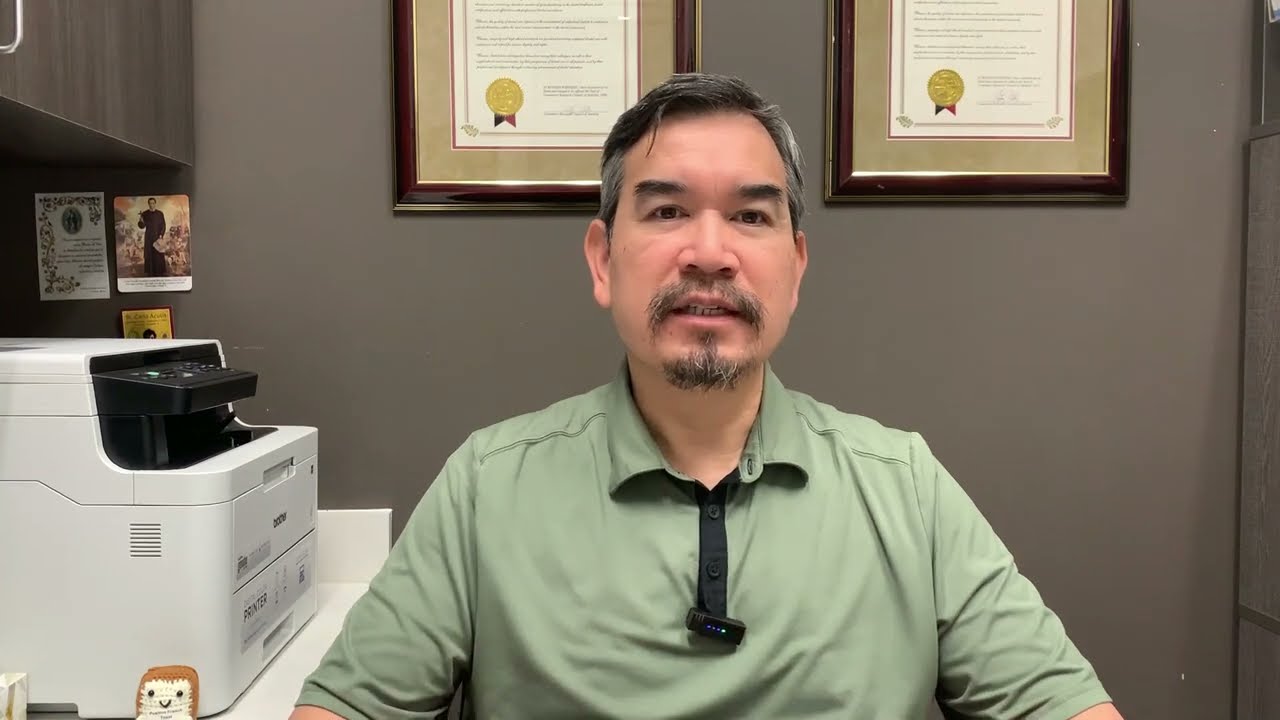
Why do dental prices vary from one practice to another even for the same treatment?
One of the questions is why prices vary from one practice to another. It all depends on what the dentist diagnoses, that's the first thing, and then what they do, what kind of material they use in the work they provide, and what kind of service they offer in addition to the basic materials. Some materials are more expensive.
As far as crowns, there's also basic material used for crowns that tend to fracture more. We use zirconia, which is probably the most durable material. There's a video where they actually use a hammer to hit a piece of wood, and it didn't shatter like the basic material, which is kind of porcelain fused to metal. That's one of the reasons.
How does the quality of materials or technology used in a procedure affect the cost?
The cost can also be affected by new technology. There is new technology now, for example, in making a crown. They use milling machines and sophisticated software to scan, which makes it easier on the patient when we do what we call a digital scan rather than an analog impression using gooey material. That's the old method, which we sometimes still use, but in our office, we mostly use an intraoral scanner. This technology is nicer for patients and sometimes more accurate. This technology also increases the cost.
Can differences in a dentist's training or specialization impact pricing?
The training that the dentist has can also impact the cost of the treatment plan. A lot of times when we first get out of dental school, we have what I call the basic skill set. After that, the more experience you have, you continue to educate yourself through the years.
I've been working for 20 years now, taking numerous courses on different aspects of dentistry. That's why I'm considered a comprehensive dentist, where I do a lot of different treatments and not just the basics. Our experience translates into the service that we provide to the patient.
What role do factors like location, staffing, and in-office equipment play in setting fees?
If we have all the technology, like the 3D scan and the intraoral scan, all those technologies cost a lot. They also provide convenience for the patient and treatment that is less invasive.
For example, when I do implants on patients, the traditional way is to cut the gum, peel it from the bone, place the implant, and take an X-ray. The way we do it, we do a scan and plan where the implant and crown will go before we even get into the patient's mouth. We make a custom surgical guide and place the implant through a hole. It's a much better experience, less traumatic for the patient, and that's one aspect of dentistry where technology really helps in implant placement.
What should patients consider when comparing between dental offices to make sure they're comparing fairly?
There are patients out there who like to compare prices. I would say to compare prices, but consider what you are really looking for. Are you looking for the cheapest price, or are you looking for the service that is provided, the treatment that is kinder and less traumatic? You have to weigh that. Are you only looking for the cheapest price, or are you looking for good service and a good experience?
At Crownridge Dental, you come first. Whether you need dental care or simply have questions, call us at (210) 981-6018 or email [email protected] to schedule your visit. Our team is here to help you every step of the way.